Disputes between farmers and veterinarians over fees
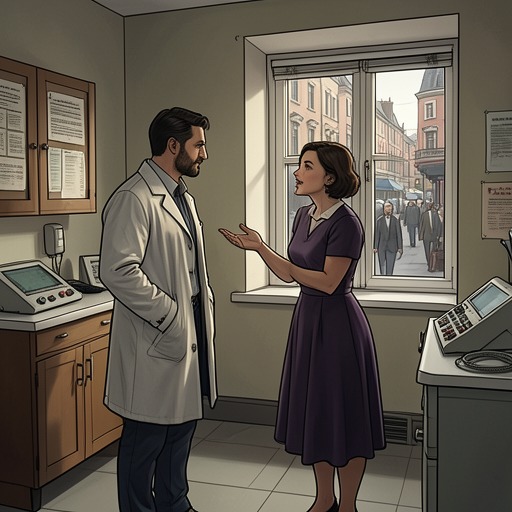
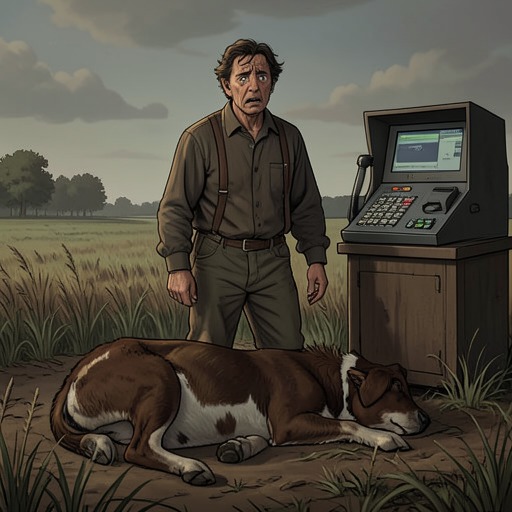
All Creatures Great and SmallDisputes between farmers and veterinarians over fees are a persistent pressure on rural veterinary practice, not a mere accounting nuisance. James Herriot presents them as a conflict over expertise and obligation: farmers may doubt the need to pay an outsider to treat animals they believe they understand, yet expect the veterinarian to respond immediately when those animals are in trouble. The result is a sharp imbalance between the promptness demanded of the practitioner and the promptness with which some clients settle their bills.
The economic and professional divide
As James Herriot gains practical experience, he recognizes that veterinary work includes a financial barrier largely absent from the textbooks. He attributes farmers’ reluctance partly to a conviction, perhaps not fully conscious, that they know their livestock better than an outsider. Paying a veterinarian can therefore feel like admitting defeat as well as incurring a cost. This tension is especially pronounced where farmers have treated animals themselves before seeking professional help.
The surrounding practice also makes clear why an owner’s judgment cannot always substitute for the veterinarian’s. During a difficult calving, James Herriot encounters a calf positioned so that proceeding on a neighbor’s confident advice could endanger the cow. Elsewhere, Siegfried Farnon insists that a veterinarian must attend whenever called, since an owner cannot reliably determine urgency from a description and an animal’s condition may worsen. These cases do not establish that fees caused any particular treatment decision; they show the professional responsibility that continues even when clients’ confidence in their own knowledge complicates the relationship.
The financial divide changes with the wider systems around agricultural and medical care. James Herriot observes that the barrier had been substantial when people paid medical practitioners for their own treatment and no free agricultural advisory service existed. He considers it worse in the later setting he describes, with the Health Service and N.A.A.S. available while the veterinary surgeon remains the professional who must be paid. Most farmers pay, but he estimates that roughly ten per cent try to avoid the expense altogether. In Darrowby, this minority is small enough to be a fraction of the client base yet numerous and persistent enough to irritate the practice continually.
How unpaid accounts affect the practice
The burden becomes most visible when quarterly accounts arrive. Miss Harbottle types them into neat piles for Siegfried Farnon, whose mood deteriorates as he reviews each bill. One late night, after a hard day, he sorts the papers into piles, muttering over some and reacting with open anger to others. The account book is not an abstraction: each unpaid amount recalls a client’s circumstances and the gap between the service already rendered and the money still owed.
Siegfried’s complaints turn that gap into a contrast between apparent means and failure to pay. He points to Henry Bransom, who has owed the practice money for more than two years while continuing to travel to markets, drink regularly, and place ten pounds on a horse at the races. In another case, he suspects that Old Summers of Low Ness has money hidden away but will not part with it for veterinary care. The first account is set against specific visible spending; the second remains Siegfried’s suspicion, not an established fact. Together, they convey why arrears feel to him less like unavoidable hardship than a client’s choice about whose claims deserve payment.
His attitude is not consistently hostile. Siegfried can fly into a fury when debtors’ names come up, but at other times he regards them with wry benevolence. He even imagines that non-paying clients would belong at the start of a cocktail-party guest list because they are charming. The humor does not erase the financial problem; it shows how personal familiarity and professional frustration coexist in a small community where the veterinarian repeatedly encounters the same people beyond the surgery.
Collection methods and their limits
Siegfried’s formal response is the P.N.S. system: a graduated sequence of polite, nasty, and solicitor’s letters. He has considerable faith in its orderly escalation, but the method often fails with experienced hard cases. Such clients are accustomed to threatening correspondence and can ignore the earlier stages; the final threat carries little force when they expect Siegfried to stop short of pursuing the matter to the legal limit. The system thus exposes a weakness in his position: the practice can state that payment is due, but its leverage depends on a willingness to take the next step.
Major Bullivant illustrates the uncertain aftermath of persistent debt. After being seen in a neighboring market town with his daughters carrying baskets, he disappears from the district a few weeks later, leaving people aggrieved. James Herriot does not know whether he paid anyone before leaving, but Siegfried received nothing. Even then, Siegfried can describe the Major as a remarkable practitioner of his chosen craft and point, with reluctant admiration, to a fifty-pound barber’s bill. His response keeps the moral contradiction in view: he resents the unpaid veterinary account while finding the debtor’s ability to spend elsewhere almost impressive.
In Dennis Pratt’s case, the letters have produced only a partial payment. After the full sequence, Pratt pays five pounds on account, then sends nothing further for about eighteen months. Siegfried hesitates to deal harshly with him because he is cheerful and hospitable. Collection is therefore not simply a contest between a creditor and an uncooperative client. Siegfried’s own reluctance to alienate a personable member of the community can weaken the pressure he is trying to apply.
Horace Dumbleby and the cost of urgency
Horace Dumbleby, a butcher at Aldgrove, becomes a particularly stark example because he combines persistent non-payment with a demand for immediate service. His business is busy and prosperous, and he keeps six cows as well as fattening other animals for sale. The account also notes that he was said to own property in the area, although Siegfried had only infrequent glimpses of his money. The distinction matters: apparent prosperity shapes the practice’s resentment, but the text does not turn local reports about wealth into proof of what Dumbleby could pay at any particular moment.
Siegfried’s anger is sharpened by a recurring asymmetry. Slow-paying clients, including Dumbleby, do not tolerate slowness from the veterinarians when their animals need attention. Their calls demand that the vet come at once and ask how long the wait will be; Siegfried grips the telephone hard enough for his knuckles to whiten. After a Sunday-night call from Dumbleby at ten, Siegfried unleashes the full P.N.S. sequence. It does not loosen the butcher’s purse strings, but it wounds his feelings. Thereafter Dumbleby turns to stare at James Herriot when their paths cross, and his gaze follows Herriot even in the Aldgrove pub, where Herriot and Tristan try changing their usual place in the bar to avoid it.
That episode gives the fee dispute a social afterlife. A debt is not confined to the ledger: collection can injure a client’s pride, provoke resentment, and make routine encounters uncomfortable. At the same time, Dumbleby’s demand for prompt veterinary attendance alongside his resistance to prompt payment clarifies the central imbalance. The practice’s obligation is immediate when an animal is in trouble; its claim for compensation may remain unsettled for months or years.
Significance in rural practice
The recurring disputes show that veterinary fees mark the boundary between household or farm self-reliance and professional service. Farmers’ knowledge can be confident and socially influential, sometimes even when the veterinarian sees a serious risk; the practitioner nevertheless bears responsibility for attending, examining, and treating the animal. A fee acknowledges that specialized labor, but payment is vulnerable to doubts about expertise, personal resentment, and the client’s power to delay.
The subject also links the practice’s internal paperwork to its public work. Miss Harbottle’s orderly accounts and Siegfried’s escalating letters cannot make every client pay, just as professional certainty cannot guarantee that farmers will accept the veterinarian’s authority. The resulting comedy—especially Siegfried’s shifting between anger and amusement—rests on a real imbalance of obligation. The animals require timely attention, while the financial recognition of that labor may arrive late, partially, or not at all.